
Blog Details
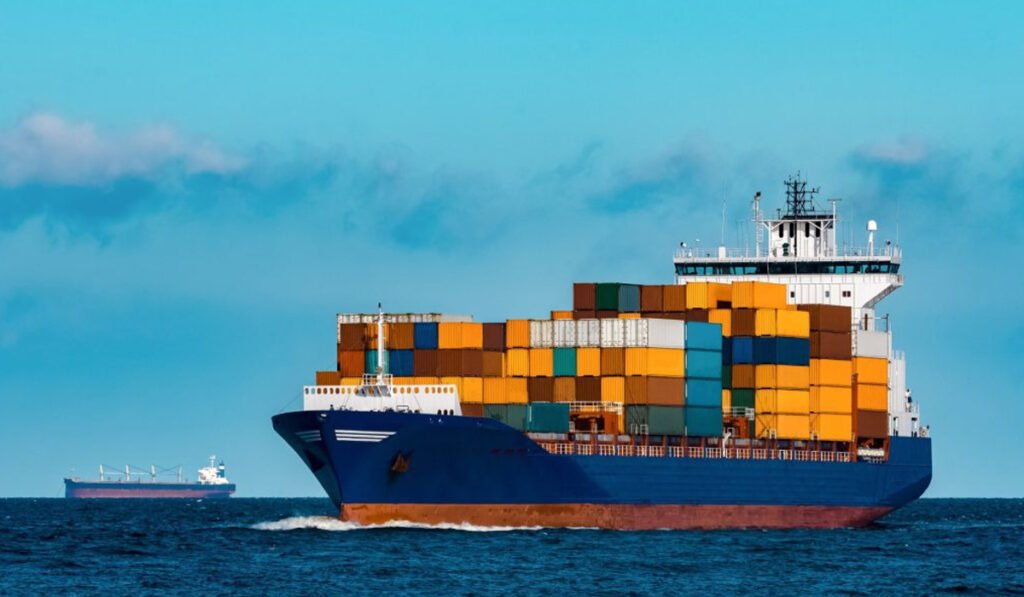
The Versatile Workhorses of Global Trade
General cargo ships are some of the most adaptable and widely used vessels in the maritime industry. Unlike specialized ships such as tankers or container vessels, general cargo ships are designed to transport a diverse range of goods that are often non-containerized. These ships play a crucial role in connecting ports around the world, particularly in regions where port infrastructure may not support more modern shipping methods. This blog dives into the design, function, operation, and importance of general cargo ships in today’s global economy.
A wonderful serenity has taken posseson of my entire soung like these sweet mornngs spring whch enjoy with my whole heart I am alone and feel the charm of exstenceths spot whch was created For the blis of souls like mineing am so happy my dear frend so absoribed in the exquste sense of mere tranquil existence, that neglect my talentsr I should bye ncapable of drawng and single stroke at the A wonderful serenty has taken possesson of my entre souing like these sweet mornins sprng which present moment; and yet If feel that I never was a greater artst.
What Are General Cargo Ships?
General cargo ships are ocean-going vessels built to carry various types of cargo. This includes items that are packed in boxes, barrels, crates, or pallets — often referred to as break-bulk cargo. Unlike container ships that carry standardized shipping containers, general cargo ships are designed with flexibility in mind. They can handle everything from machinery and vehicles to construction materials and food products.
These ships are typically equipped with their own cargo handling gear such as cranes and winches, allowing them to load and unload at ports that may not have extensive dockside infrastructure.
Key Features of General Cargo Ships
-
Multi-Deck and Hold Configuration:
Many general cargo ships feature multiple decks and large cargo holds to accommodate a wide variety of goods. -
Cargo Handling Equipment:
Most are equipped with onboard cranes or derricks, making them capable of loading and unloading without relying on port facilities. -
Flexibility in Cargo Type:
They can carry irregularly sized cargo, oversized loads, and cargo that cannot be containerized easily. -
Average Size and Speed:
General cargo ships typically range from 2,000 to 40,000 DWT (Deadweight Tonnage) and are not as fast as container ships, usually cruising at 12–18 knots. -
Port Accessibility:
Their ability to access smaller ports is an advantage in developing regions or island nations with limited shipping infrastructure.
Types of Cargo Carried
-
Machinery and industrial equipment
-
Vehicles and spare parts
-
Agricultural products
-
Building materials (e.g., steel beams, cement, lumber)
-
Packaged food items
-
Household goods
-
Electrical appliances
-
Project cargo (e.g., turbines, generators)
The diversity of cargo types makes these ships vital to many industries and economies.
Operational Workflow
-
Cargo Planning:
Prior to loading, the cargo is organized to ensure optimal space usage and balance the ship’s weight. -
Loading:
Goods are loaded either manually or using cranes, depending on the weight and nature of the cargo. -
Stowage:
Cargo is secured using ropes, chains, or wooden blocks to prevent shifting during transit. -
Voyage:
Ships navigate using advanced systems including GPS and electronic charts. -
Unloading:
At the destination port, the cargo is carefully offloaded and either delivered locally or moved to another form of transportation.
Advantages of General Cargo Ships
-
Versatility: Can handle various types and sizes of cargo, making them suitable for small and large shipments.
-
Port Flexibility: Can operate in ports without container terminals.
-
Cost-Effective: Suitable for destinations with low shipping volumes where container shipping may not be viable.
-
Customized Loading: Allows for selective stowage and better handling of sensitive or fragile goods.
Challenges Faced
-
Slower Loading/Unloading:
Manual or crane-based handling takes more time than standardized container systems. -
Higher Labor Requirements:
Need for skilled labor in stowage and lashing increases operational costs. -
Risk of Cargo Damage:
Improper loading or securing can result in cargo damage during transit. -
Regulatory Compliance:
General cargo ships must adhere to strict international safety standards under conventions like SOLAS and MARPOL.
The Role in Developing Economies
General cargo ships remain vital for developing countries where port infrastructure for containerization is still limited. They provide the backbone for trade in remote regions and help maintain supply chains in coastal and island areas. Their ability to reach less-accessible ports makes them irreplaceable in certain logistical scenarios.
Environmental Considerations
Modern general cargo ships are being designed with improved fuel efficiency and lower emissions. Shipbuilders are incorporating features such as:
-
Energy-efficient engines
-
Ballast water treatment systems
-
Eco-friendly hull designs
These advancements align with the global push toward greener maritime practices.
Future Trends
-
Digitalization: Use of smart navigation, cargo tracking, and logistics platforms is increasing efficiency.
-
Hybrid Propulsion: Emerging ships are using LNG and electric engines to reduce environmental impact.
-
Modular Design: Some future designs may allow general cargo ships to temporarily convert for specific needs.
Conclusion
General cargo ships are the unsung heroes of the shipping world. While container ships may dominate headlines, it’s the general cargo vessels that ensure essential goods reach the most challenging destinations. Their adaptability, cost-effectiveness, and operational independence make them a cornerstone of maritime trade — especially in regions that are still developing their port and transport infrastructures. As global trade continues to evolve, general cargo ships will remain an indispensable asset in the logistics chain, bridging gaps where other vessels cannot operate.