
Blog Details
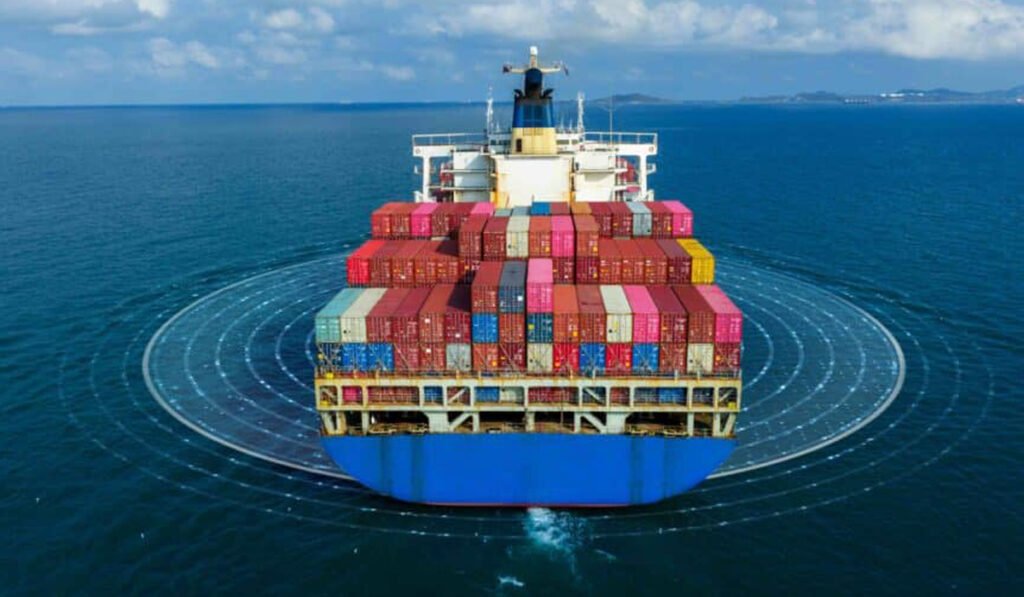
The Future of Ship Technology: Innovations Shaping the Maritime Industry
The global maritime industry is undergoing a significant transformation, driven by advancements in ship technology. From traditional diesel-powered vessels to autonomous, AI-enabled smart ships, the future of seafaring is becoming faster, safer, greener, and more efficient. With international trade heavily reliant on shipping—over 90% of world trade is transported by sea—these technological innovations are not just optional upgrades but essential shifts that define the sustainability and effectiveness of global logistics.
In this blog, we explore the latest trends in ship technology and how they’re reshaping the way we navigate, operate, and maintain vessels in the modern age.
1. Smart Ships: The Rise of Automation and Digitalization
One of the most transformative changes in ship technology is the emergence of smart ships. These vessels are equipped with integrated digital systems that monitor and control almost every aspect of their operation. Using sensors, AI, and data analytics, smart ships can optimize fuel consumption, predict maintenance needs, and improve route planning.
-
Artificial Intelligence (AI) is used to assess weather patterns and ocean currents to plot the safest and most fuel-efficient routes.
-
IoT (Internet of Things) connects ship components to centralized systems, allowing real-time monitoring of engine health, fuel usage, and cargo conditions.
-
Predictive maintenance reduces downtime by identifying potential issues before they escalate.
Smart ships not only improve operational efficiency but also reduce human error and enhance crew safety.
2. Autonomous Ships: The Uncrewed Future
Autonomous shipping is no longer science fiction. Companies like Rolls-Royce and Kongsberg are already testing unmanned cargo vessels equipped with advanced navigation systems and onboard AI.
These ships use:
-
LIDAR and radar systems for obstacle detection
-
Remote control stations for land-based management
-
Machine learning algorithms for route planning and dynamic decision-making
The benefits of autonomous ships include lower labor costs, reduced risk of accidents caused by human error, and 24/7 operation without fatigue. However, full autonomy still faces regulatory and security challenges, especially in international waters.
3. Green Shipping: The Move Toward Sustainability
With the maritime industry contributing nearly 3% of global CO₂ emissions, the push for green ship technology is stronger than ever. The International Maritime Organization (IMO) has set goals to cut emissions by at least 50% by 2050 compared to 2008 levels.
To achieve this, shipbuilders and operators are adopting:
-
LNG (Liquefied Natural Gas) as a cleaner alternative to heavy fuel oil
-
Hydrogen and ammonia-based fuels for zero-emission propulsion
-
Hybrid-electric systems combining batteries and traditional engines
-
Wind-assisted propulsion, such as rotor sails and kite systems
In addition, energy-efficient hull designs and eco-friendly antifouling coatings reduce drag and fuel consumption, contributing to lower emissions.
The diversity of cargo types makes these ships vital to many industries and economies.
4. Advanced Navigation and Communication Systems
Modern ships are equipped with sophisticated navigation tools that greatly enhance maritime safety and efficiency. Some of the key technologies include:
-
ECDIS (Electronic Chart Display and Information System): Replaces traditional paper charts with interactive digital maps, offering real-time updates and route optimization.
-
AIS (Automatic Identification System): Transmits a ship’s position, speed, and heading to other vessels and coastal authorities to avoid collisions.
-
Satellite communication: Ensures seamless connectivity for crew communication, operational data sharing, and real-time cargo tracking.
These systems help ships sail safely through congested routes and adverse weather while keeping operators and stakeholders informed.
5. Hull and Propulsion Innovations
Ship designers are constantly improving the hydrodynamic performance of vessels to enhance fuel efficiency. Innovations include:
-
Air lubrication systems: Create a layer of bubbles between the hull and water to reduce friction.
-
Contra-rotating propellers: Use dual propellers spinning in opposite directions to increase thrust and reduce energy loss.
-
Azimuth thrusters: Rotate 360 degrees, providing better maneuverability, especially useful in tugs and cruise ships.
These advancements reduce operational costs and improve the environmental footprint of vessels.
6. Cybersecurity in the Digital Age
With increased digitalization, cybersecurity has become a critical aspect of ship technology. Vessels are now targets for cyberattacks that could affect navigation, cargo data, or engine systems.
To combat this, shipping companies are:
-
Implementing firewalls and encryption
-
Running real-time intrusion detection systems
-
Conducting crew training on cyber hygiene
-
Regularly updating software and firmware
IMO has also issued cybersecurity guidelines to promote safety in maritime operations.
7. Crew Welfare and Onboard Technology
Advanced technology isn’t just about ship operations—it also improves crew welfare. Modern ships include:
-
Condition monitoring systems that reduce manual inspections
-
Remote diagnostics and troubleshooting, minimizing the need for physical repair work
-
Enhanced connectivity for internet access and video calls, helping crew stay connected with families
-
Smart HVAC systems to regulate onboard climate more efficiently
Happy and healthy crews contribute to better performance and safety at sea.
8. Blockchain and Digital Documentation
To reduce bureaucracy and improve transparency, the shipping industry is adopting blockchain for secure and tamper-proof documentation. Bills of lading, certificates, and customs paperwork can now be handled digitally.
This improves:
-
Data security
-
Fraud prevention
-
Operational speed and transparency
Blockchain also enables real-time sharing of information between stakeholders, from port authorities to shipping companies.
Conclusion: Navigating the Future of Shipping
The future of the maritime industry lies in intelligent, autonomous, and environmentally responsible vessels. Ship technology is not just about making operations faster or cheaper—it’s about creating a safer, smarter, and more sustainable ecosystem for global trade.
As the world pushes for cleaner oceans and faster delivery times, embracing cutting-edge ship technologies will no longer be an option but a necessity. From smart sensors and green fuels to AI navigation and digital documentation, each innovation adds a layer of reliability, efficiency, and environmental stewardship to modern maritime operations.
Whether you’re a shipowner, operator, engineer, or maritime enthusiast, staying informed about these technologies ensures you’re ready to set sail into the future of global shipping.